
The adaptation of Dhamma by Buddhist Monks to Suit Modern Times in order to effectively convey the Teachings Young
Article Sidebar
Main Article Content
Abstract
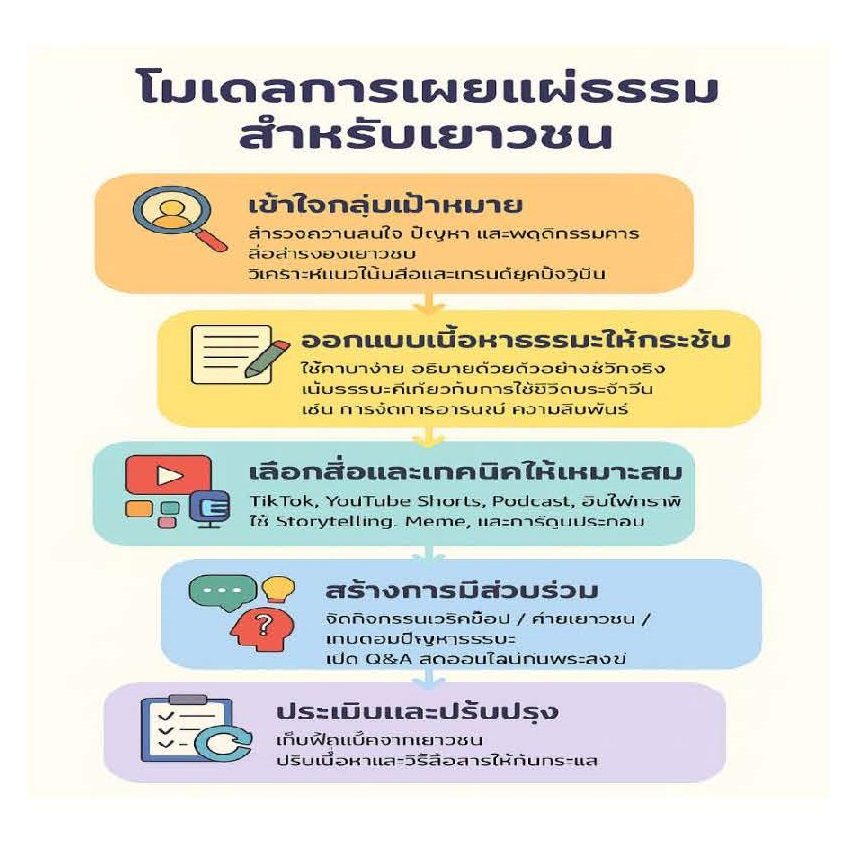
The objective of this academic article is to apply Buddhist teachings in ways that are relevant to the modern era particularly in the dissemination of Dhamma to young people by Buddhist monks the study found that monks are capable of using digital media and social media to spread the Dhamma in engaging ways such as live-streamed sermons and Dhamma video clips making Buddhist teachings more accessible and suitable for contemporary youth Dhamma dissemination for young people should emphasize content that is simple relevant to their era and presented in diverse formats by delivering teachings through modern media and digital platforms monks can categorize Dhamma lessons according to target groups and provide practical teachings that youth can applying in their daily lives this can be done through videos games and social media to attract their attention and enhance understanding. Presenting Dhamma in multiple formats such as documentaries dramas and songs creates interest and stimulates learning Monks should also teach Dhamma that relates to real life problems and situations faced by young people using simple and friendly language and focusing on inspirational content that motivates self-improvement and social contribution the content and teaching methods should suit the age and learning level of the youth while also encouraging their participation applying Dhamma for youth should prioritize relevance to the modern context and clarity of understanding, presented through engaging and varied media It is important to adhere to key principles of dissemination teaching from the concrete to the abstract progressing step by step into deeper understanding using supplementary materials and addressing core issues directly this enables monks to effectively utilize modern media and communicate with young people while also understanding their behaviors and levels of learning Through commitment and dedication monks can better guide youth in the Dhamma. to adapt Dhamma to contemporary times communication must be concise easy to understand and centered on digital media such as social networks short videos and interactive teaching methods Moreover the teachings should be linked to the real challenges young people face including stress relationships and mindful use of technology Ultimately the role of monks is not only to teach but also to serve as spiritual leaders and counselors guided by the principles of loving-kindness compassion and the noble eightfold path as the foundation for spreading the Dhamma to younger generations.
Downloads
Article Details

This work is licensed under a Creative Commons Attribution-NonCommercial-NoDerivatives 4.0 International License.
References
กระทรวงดิจิทัลเพื่อเศรษฐกิจและสังคม. (2564). คู่มือพลเมืองดิจิทัล (Digital Citizen). กรุงเทพฯ: กระทรวงดิจิทัลฯ.
กรมการศาสนา. (2540). ปัจจัยที่ส่งผลต่อความสำเร็จของเจ้าอาวาสในการพัฒนาวัดให้เป็นศูนย์กลางชุมชน. กรุงเทพฯ: โรงพิมพ์กรมการศาสนา.
กรมส่งเสริมวัฒนธรรม. (2564). คู่มือการมีส่วนร่วมของเยาวชนด้านศาสนาและวัฒนธรรม. กรุงเทพฯ:กระทรวงวัฒนธรรม.
พระธรรมปิฎก (ป.อ. ปยุตฺโต). (2540). ไอทีภายใต้วัฒนธรรมแห่งปัญญา. พิมพ์ครั้งที่ 7. กรุงเทพฯ: ธรรมสภา.
ประภาศรี สีหอำไพ. (2550). พื้นฐานการศึกษาศาสนาและจริยธรรม (ฉบับปรับปรุง). กรุงเทพฯ: สำนักพิมพ์ จุฬาลงกรณมหาวิทยาลัย.
ราณี เกื้อทอง. (2545). บทบาทของพระสงฆ์ในงานพัฒนาชุมชน: ศึกษากรณีวัดในอำเภอปากเกร็ดจังหวัดนนทบุรี. วิทยานิพนธ์ศิลปศาสตรมหาบัณฑิต, บัณฑิตวิทยาลัย, มหาวิทยาลัยราชภัฏพระนคร.
วรัญญู วัฒนศิริ. (2563). สื่อดิจิทัลกับการสื่อสารทางศาสนา. กรุงเทพฯ: สำนักพิมพ์จุฬาลงกรณ์มหาวิทยาลัย.
วรวัฒน์ นาคเนียม. (2565). การเผยแผ่พระพุทธศาสนาผ่านสื่อดิจิทัล: โอกาสและความท้าทาย. วารสารพุทธศาสน์ศึกษา, 14(2).
ศุภชัย เกิดมงคล. (2562). การสร้างสื่อเพื่อการเรียนรู้ของเยาวชน: จากผู้รับสารสู่ผู้ผลิตสื่อ. กรุงเทพฯ: สำนักพิมพ์มหาวิทยาลัยศรีนครินทรวิโรฒ.
สมเด็จพระมหารัชมังคลาจารย์ (ช่วง วรปญฺโญ).(2540). การเผยแผ่พระพุทธศาสนาคู่มือพระสังฆาธิการว่าด้วยเรื่องการคณะสงฆ์และการศาสนา. กรุงเทพฯ: โรงพิมพ์กรมการศาสนา.
