
CULTIVATING EMOTIONAL INTELLIGENCE THROUGH BUDDHIST PRINCIPLES IN EDUCATIONAL INSTITUTION: A CASE STUDY OF GROUP CHANTING IN THE SARAPANYA STYLE AT BAN DAN CHAI PATTHANA SCHOOL, SAKAEO PRIMARY EDUCATIONAL SERVICE AREA OFFICE 1
Keywords:
Emotional Intelligence, Buddhist - Based Mental Cultivation, Collective Sarapanya Chanting, Thai Culture, 21st Century EducationAbstract
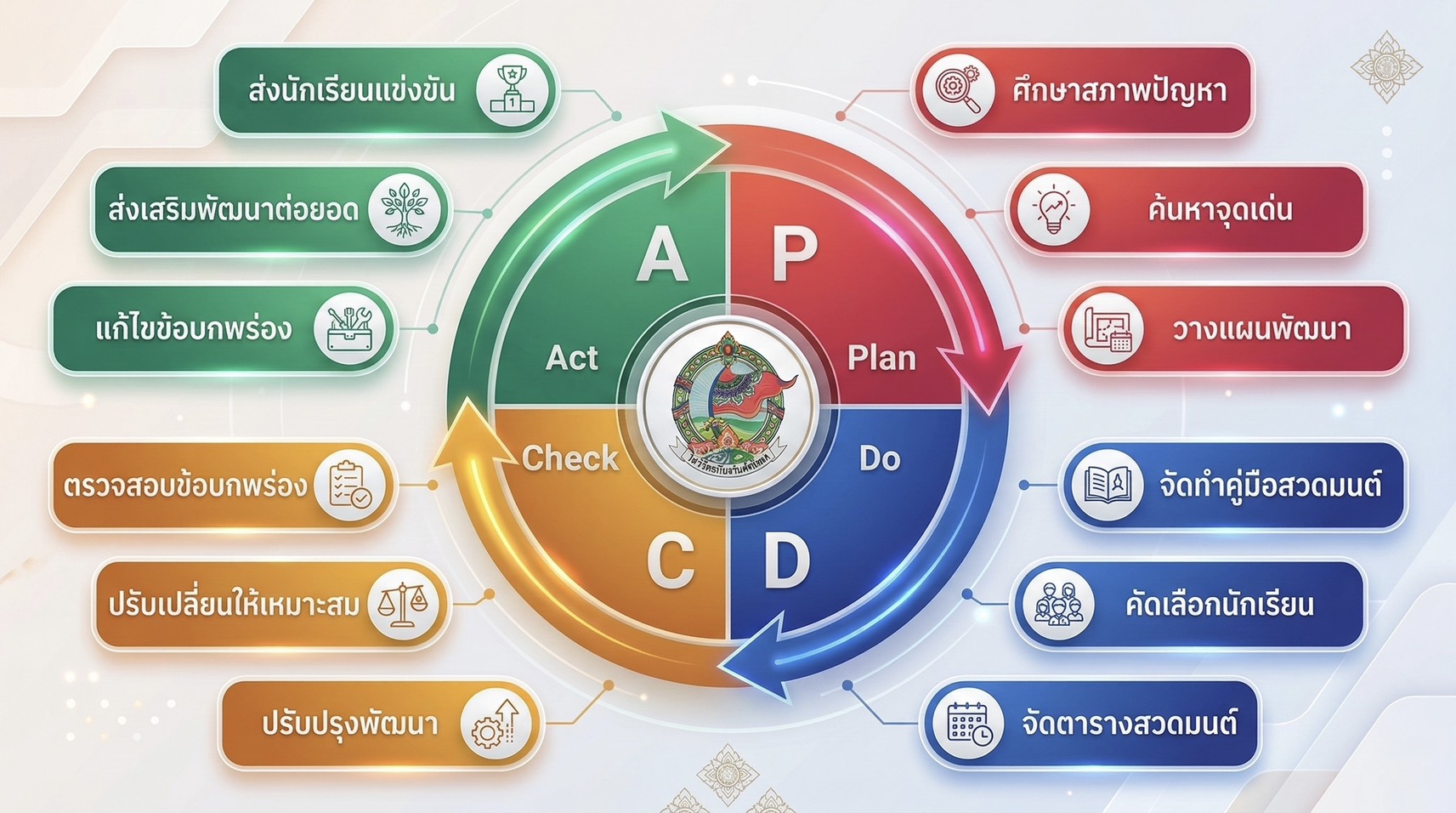
The purpose of this article was to present an approach to developing learners through the cultivation of emotional intelligence and mental management based on Buddhist principles within educational institutions. The study employed the case of the group chanting activity in Sarapanya melody at Ban Dan Chai Phatthana School, under the Sakaeo Primary Educational Service Area Office 1. The implementation was carried out within the framework of the Basic Education Core Curriculum B.E. 2551 (A.D. 2008) and utilized the PDCA (Plan - Do - Check - Act) quality cycle as the main process. The steps included: 1) analyzing problems and planning activities (Plan), 2) organizing group chanting according to grade levels (Do), 3) evaluating outcomes and improving practices (Check), and 4) promoting continuous participation (Act), along with selecting student leaders to sustain the activity in the long term The results revealed that students gained knowledge, understanding, and positive attitudes toward the chanting activity. They also developed emotional intelligence skills, including emotional perception, emotional facilitation of thought, emotional understanding, and emotional regulation. Moreover, the activity enhanced students’ moral and ethical behaviors as well as appropriate life practices. In addition, it improved academic achievement, strengthened competition skills in Sarapanya chanting, and preserved Thai cultural identity within the school effectively. Therefore, the group chanting activity in Sarapanya melody served as a practical approach to integrating academic learning, moral education, and Buddhist - based mental management with the development of learners’ emotional intelligence, aligning with the goals of 21st century education and promoting sustainable learning and cultural values in Thai educational institutions.
Downloads
References
กรมการศาสนา กระทรวงวัฒนธรรม. (2564). คู่มือการสวดมนต์หมู่สรรเสริญพระรัตนตรัย ทำนองสรภัญญะ. กรุงเทพฯ: ห้างหุ้นส่วนจำกัดโรงพิมพ์อักษรไทย (น.ส.พ.ฟ้าเมืองไทย).
ณฏฐพร สิงห์สร, ฐิติวัสส์ สุขป้อม, เริงวิชญ์ นิลโคตร, ณัฐพัชร สายเสนา และณัฏฐกรณ์ ปะพาน. (2567). ความฉลาดทางอารมณ์วิถีพุทธ : การบูรณาการหลักธรรม สู่การเป็นองค์กรแห่งความสุขยุคพลิกผัน. วารสารมหาจุฬานาครทรรศน์, 11(1), 250 - 259.
นิธิพัฒน์ เมฆขจร. (2567). การสวดมนต์ : คุณค่าเชิงจิตวิทยามากกว่าที่คุณคิด. วารสารสมาคมจิตวิทยาแนะแนวแห่งประเทศไทย (Online), 1(1), 11 - 20.
พรทิพย์ ศิริโสภณ. (2562). การประยุกต์ใช้วงจรเดมมิง (PDCA) เพื่อการพัฒนาคุณภาพการศึกษา. วารสารวิชาการศึกษาศาสตร์, 30(2), 45 - 56.
พระวงศ์สรสิทธิ์ รติกโร, พระครูวิจิตรศีลาจาร และพระครูสิริธรรมาภิรัต. (2561). คุณค่าของการสวดมนต์ที่มีต่อพุทธศาสนิกชนไทย: กรณีศึกษาสํานักปู่สวรรค์. วารสารสังคมศาสตร์และมานุษยวิทยาเชิงพุทธ, 3(2), 79 - 94.
ราชกิจจานุเบกษา. (2565). แผนพัฒนาเศรษฐกิจและสังคมแห่งชาติ ฉบับที่ 13 (พ.ศ. 2566 - พ.ศ. 2570). เล่ม 139 ตอนพิเศษ 258 ง, 1 - 143. (1 พฤศจิกายน 2565).
วิทย์ วิศวเวทย์ และเสฐียรพงษ์ วรรณปก. (2559). พระพุทธศาสนา ชั้นมัธยมศึกษาปีที่ 5. กรุงเทพฯ: บริษัท อักษรเจริญทัศน์ จำกัด.
สมเด็จพระพุทธโฆษาจารย์ (ป.อ. ปยุตฺโต). (2559). พุทธธรรมฉบับเดิม (พิมพ์ครั้งที่ 31). กรุงเทพฯ: โรงพิมพ์พระพุทธศาสนาของธรรมสภา.
สมบูรณ์ วัฒนะ, ประยูร สุยะใจ, เริงวิชญ์ นิลโคตร และสุวิญ รักสัตย์. (2565). สุวรรณภูมิโมเดล: พุทธอารยสุวรรณภูมิวิถีกับการสร้างคุณค่า ในมิติทางเศรษฐกิจ สังคม และวัฒนธรรม. วารสารสันติศึกษาปริทรรศน์ มจร, 10(1), 81 - 98.
สำนักงานเขตพื้นที่การศึกษาประถมศึกษาสระแก้ว เขต 1. (2568). ประวัติการจัดตั้งสำนักงานเขตพื้นที่การศึกษาประถมศึกษาสระแก้ว เขต 1. สืบค้นเมื่อ 9 กันยายน 2568, จาก https://sk1edu.go.th/history
สำนักงานเลขาธิการสภาการศึกษา. (2560). แผนการศึกษาแห่งชาติ พ.ศ.2560 - 2579. กรุงเทพฯ: บริษัท พริกหวานกราฟฟิค จำกัด.
อนุวัต สมัคศิริกิจ. (2567). การพัฒนาคุณภาพชีวิตด้วยการสวดมนต์. วารสาร มจร ภาษาและวัฒนธรรม, 4(2), 16 - 35.
Bar - On, R. (2006). The Bar - On Model of Emotional - Social Intelligence (ESI). Psicothema, 18 (Suplemento), 13 - 25.
Deming, W. E. (1986). Out of the Crisis. MIT Press.
Goleman, D. (1995). Emotional Intelligence: Why it can matter more than IQ. Bantam Books.
Mayer, J. D., Salovey, P., & Caruso, D. R. (2008). Emotional Intelligence: New Insights and New Directions. American Psychologist, 63(6), 503 - 517.
Salovey, P., & Mayer, J. D. (1990). Emotional Intelligence. Imagination, Cognition and Personality, 9(3), 185 - 211.
Downloads
Published
How to Cite
Issue
Section
License
Copyright (c) 2026 Journal of Buddhist Educational Innovation

This work is licensed under a Creative Commons Attribution-NonCommercial-NoDerivatives 4.0 International License.
This article is published under a Creative Commons Attribution-NonCommercial-NoDerivatives 4.0 International License (CC BY-NC-ND 4.0), which allows others to share the article with proper attribution to the authors and prohibits commercial use or modification. For any other reuse or republication, permission from the journal and the authors is required.