POSITIVE PSYCHOLOGY: LEARNING LEADERSHIP IN THE DIGITAL ERA
Keywords:
Positive Psychology, Learning Leadership, Digital EraAbstract
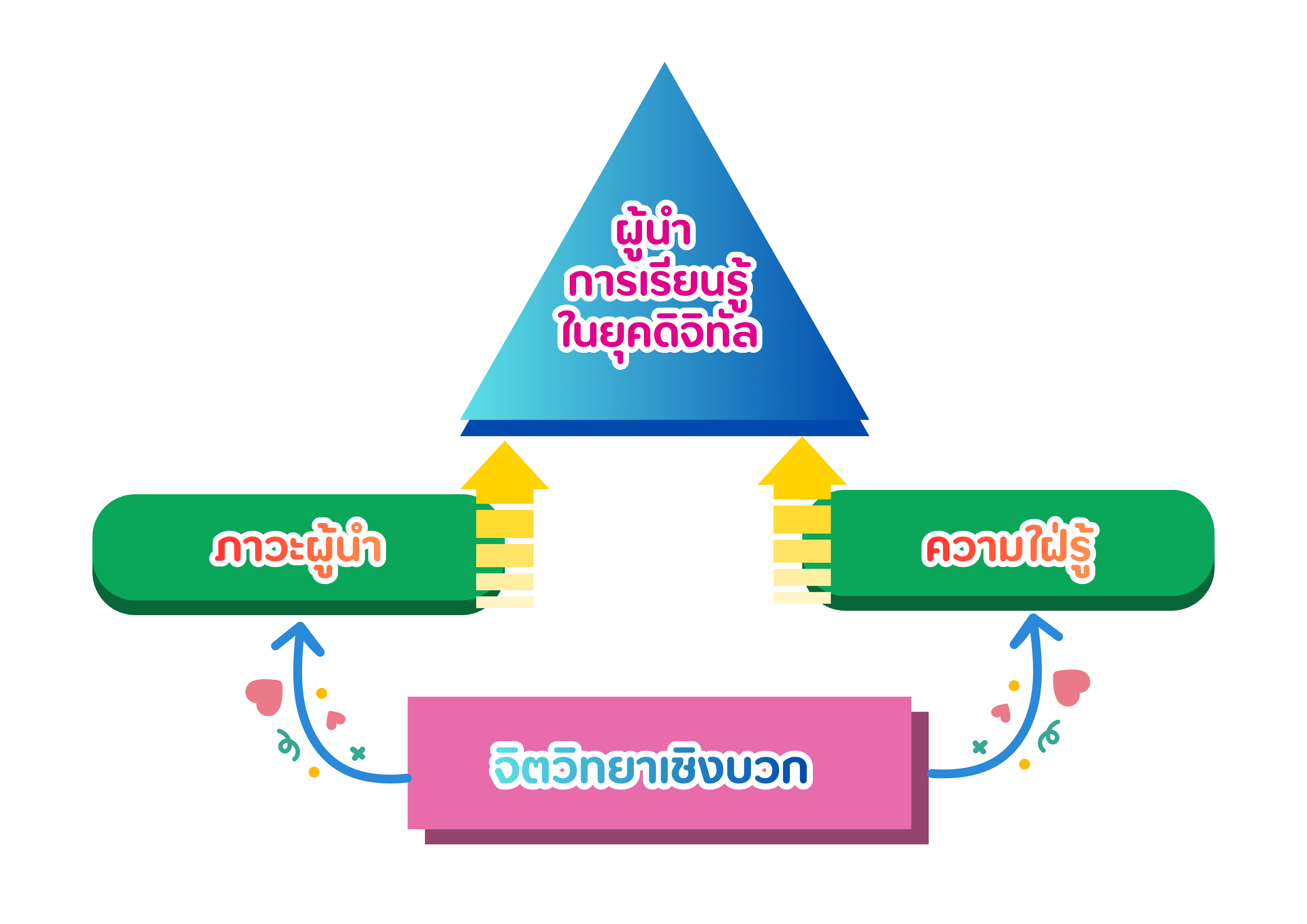
The purpose of this article was to present and analyze the rapidly evolving digital era, wherein technology not only permeates daily life but also exerts a profound influence on the processes of learning, work, and overall human existence. Against this backdrop, the concept of 'Positive Psychology' a psychological branch moving beyond mere remediation to focus on the cultivation of human potential, happiness, and holistic well-being has garnered widespread attention, particularly regarding learning and leadership development. This article, therefore, aimed to analyze the role of the 'learning leader' in the digital age through the lens of positive psychology. The focus was placed on the application of digital technology to foster learning, enhance knowledge management, and cultivate a sustainable learning culture. Modern leaders must possess attributes, skills, and a vision congruent with the 21st century, including adaptability, systems thinking, and the ability to foster intrinsic motivation. This article proposed strategies for integrating positive psychology with digital leadership to cultivate proactive leaders capable of driving effective and sustainable change within the modern global context.
Downloads
References
กรมวิชาการ. (2544). คุณลักษณะอันพึงประสงค์ของผู้เรียนตามหลักสูตรการศึกษาขั้นพื้นฐาน. กรุงเทพฯ: กระทรวงศึกษาธิการ.
พิชญ์พิมล สุนทะวงศ์. (2565). แนวทางการพัฒนาภาวะผู้นำเชิงดิจิทัลของครู สังกัดสำนักงานเขตพื้นที่การศึกษามัธยมศึกษามหาสารคาม. (วิทยานิพนธ์การศึกษามหาบัณฑิต สาขาวิชาการบริหารและพัฒนาการศึกษา). บัณฑิตวิทยาลัย: มหาวิทยาลัยมหาสารคาม.
รุจาภรณ์ ลักษณะดี. (2565). ภาวะผู้นำดิจิทัลของผู้บริหารสถานศึกษาในสหวิทยาเขต บ้านบึง 1 สังกัดสำนักงานเขตพื้นที่การศึกษาประถมศึกษาชลบุรี เขต 1. (การค้นคว้าอิสระศึกษาศาสตรมหาบัณฑิต สาขาวิชาการบริหารการศึกษา). บัณฑิตวิทยาลัย: มหาวิทยาลัยเกริก.
ลลิตา สมใจ. (2565). ความสัมพันธ์ระหว่างภาวะผู้นำในยุคดิจิทัลของผู้บริหารสถานศึกษากับประสิทธิผลของสถานศึกษา สังกัดสำนักงานเขตพื้นที่การศึกษาประถมศึกษาเชียงราย เขต 1. (การค้นคว้าอิสระการศึกษามหาบัณฑิต สาขาวิชาการบริหารการศึกษา). บัณฑิตวิทยาลัย: มหาวิทยาลัยพะเยา.
วราภรณ์ พวงสำเภา และชนมณี ศิลานุกิจ. (2566). ภาวะผู้นำดิจิทัลของผู้บริหารสถานศึกษา โรงเรียนในกลุ่มกรุงเทพตะวันออก สังกัดกรุงเทพมหานคร. วารสารสหวิทยาการและการจัดการร่วมสมัย.2(1), 1 - 14.
ศิริพงษ์ กลั่นไพฑูรย์. (2564). รูปแบบการพัฒนาภาวะผู้นำทางวิชาการในยุคดิจิทัลของ ผู้บริหารสถานศึกษาขั้นพื้นฐาน. (ดุษฎีนิพนธ์การศึกษาดุษฎีบัณฑิต สาขาวิชาการบริหารการศึกษา). บัณฑิตวิทยาลัย: มหาวิทยาลัยนเรศวร.
ศิริ ถีอาสนา, เสน่ห์ คำสมหมาย และเฉลิมเกียรติ ถีอาสนา. (2564). คำศัพทรวมสมัย: ยุคศตวรรษที่ 21 ยุคดิจิทัล และยุคไทยแลนด 4.0. วารสารวิจัยและนวัตกรรมการอาชีวศึกษา. 5(2), 113 - 123.
สุดารัตน์ ตันติวิวัทน์. (2560). จิตวิทยาเชิงบวก: การพัฒนา การประยุกต์ และความท้าทาย. วารสารพฤติกรรมศาสตร์เพื่อการพัฒนา. 9(1), 277 - 290.
สำนักงานเลขาธิการสภาการศึกษา. (2560). การศึกษาในศตวรรษที่ 21: แนวโน้มและความท้าทาย. กรุงเทพฯ: กระทรวงศึกษาธิการ.
Organisation for Economic Co-operation and Development. (2020). Leadership for 21st Century Learning. https://www.oecd.org/education/leadership-for-21st-century-learning.htm
Senge, P. M. (1990). The Fifth Discipline: The Art and Practice of the Learning Organization. Doubleday.
Downloads
Published
How to Cite
Issue
Section
License
Copyright (c) 2025 Journal of Buddhist Educational Innovation

This work is licensed under a Creative Commons Attribution-NonCommercial-NoDerivatives 4.0 International License.
This article is published under a Creative Commons Attribution-NonCommercial-NoDerivatives 4.0 International License (CC BY-NC-ND 4.0), which allows others to share the article with proper attribution to the authors and prohibits commercial use or modification. For any other reuse or republication, permission from the journal and the authors is required.