
DEVELOPING COMPUTATIONAL THINKING SKILLS THROUGH PROGRAMMING USING COMMAND CARDS WITH THE UNPLUGGED CODING BOARD GAME FOR GRADE 2 STUDENTS
Keywords:
Computational Thinking Skills, Unplugged Coding, Material PropertiesAbstract
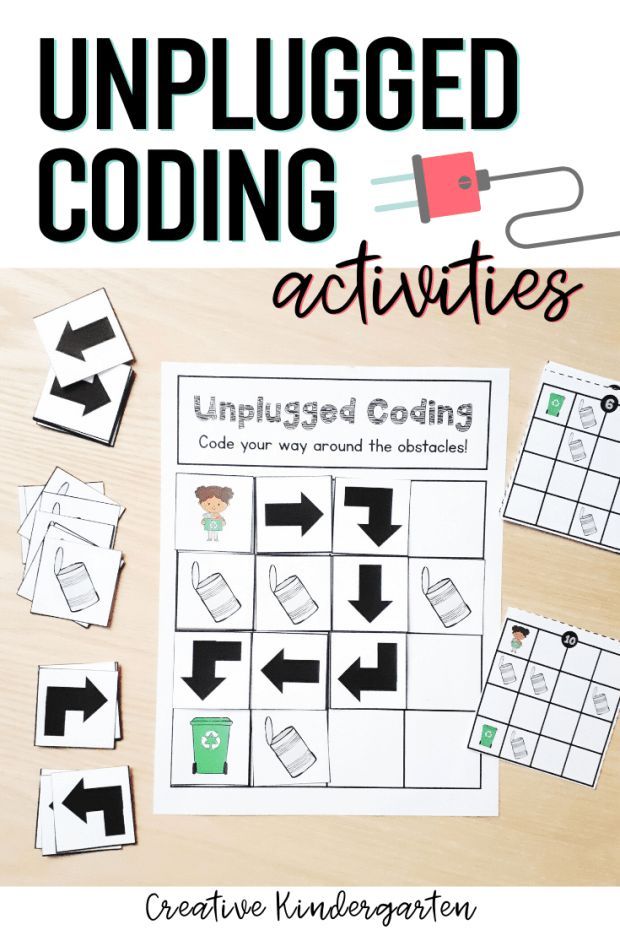
The objectives of this research article are: (1) To develop programming skills using command cards with the Unplugged Coding board game. (2) To study the results of improving programming skills using command cards with the Unplugged Coding board game for Grade 2 students. The participants were 18 Grade 2 students from a small school in Phichit Province, studied during the first semester of the academic year 2023. The tools used in this research included a lesson plan for programming with command cards, a reflective learning approach, activity logs, and an assessment form for computational thinking skills. The study was conducted using an action research methodology with three action cycles. Data were analyzed using content analysis and triangulation to ensure reliability in methods and data sources.
Findings:
(1) Regarding the first objective, the development of computational thinking skills related to material properties involved four steps: 1) Introduction: Teachers used guiding questions to encourage students to describe and analyze the steps of their eating routines. 2)
Learning Activities: Students practiced programming by using the board game to guide animal characters in completing assigned missions. 3) Knowledge Expansion: Groups of students explained their commands, recorded the correct commands, and discussed them collaboratively. 4) Summary: Students wrote on Post-it notes to categorize materials according to the given tasks.
(2) Regarding the second objective, the level of computational thinking skills demonstrated during the learning activities aligned with the post-learning skills, achieving a Level 4 transfer (near transfer) according to the computational thinking skill framework.
References
กระทรวงศึกษาธิการ. (2560). ตัวชี้วัดและสาระการเรียนรู้แกนกลางกลุ่มสาระการเรียนรู้วิทยาศาสตร์ ตามหลักสูตรแกนกลางการศึกษาขั้นพื้นฐาน พุทธศักราช 2551 (ปรับปรุง พ.ศ. 2560). กรุงเทพฯ: ชุมนุมสหกรณ์การเกษตรแห่งประเทศไทย.
กัลยา โสภณพณิช. (ผู้บรรยาย). (10 พฤศจิกายน 2562). นโยบายการศึกษาเพื่อการพัฒนาประเทศ. พิษณุโลก: คณะศึกษาศาสตร์ มหาวิทยาลัยนเรศวร.
ชยการ คีรีรัตน์. (2562). การใช้กระบวนการแก้ปัญหาและโปรแกรม App Inventor พัฒนาทักษะการคิดเชิงคำนวณ (Computational Thinking: CT) สำหรับผู้เรียนระดับมัธยมศึกษา. วารสารครุศาสตร์ จุฬาลงกรณ์มหาวิทยาลัย, 47(2), 31-47.
ชัยวัฒน์ ลิ้มพรจิตรวิไล. (2561). เรียนรู้และใช้งาน micro: bit บอร์ดไมโครคอนโทรลเลอร์เพื่อการเรียนรู้. กรุงเทพฯ: อินโนเวตีฟ เอ็กเพอร์เมนต์.
เทียมจันทร์ พานิชย์ผลินไชย. (2539). ระเบียบวิธีวิจัย. พิษณุโลก: คณะศึกษาศาสตร์ มหาวิทยาลัยนเรศวร.
บุญชม ศรีสะอาด. (2554). การวิจัยเบื้องต้น (พิมพ์ครั้งที่ 9). กรุงเทพฯ: สุวีริยาสาส์น.
มาโนชญ์ แสงศิริ. (2561). Blockly เครื่องมือสอนเขียนโปรแกรม. [ออนไลน์], แหล่งที่มา :
http://scimath.org/article-technology/item/8652-blockly/ {25 กรกฎาคม 2566}
ฤดีรัตน์ แป้งหอม, สพลณพัทร์ ศรีแสนยงค์, และสฎายุ ธีระวณิชตระกูล. (2559). การสร้างชุดกิจกรรมการเรียนรู้โดยใช้ปัญหาเป็นฐาน เรื่อง ปรากฏการณ์ทางภูมิศาสตร์ สำหรับนักเรียนชั้นมัธยมศึกษาปีที่ 4. วารสารศึกษาศาสตร์ มหาวิทยาลัยนเรศวร. 18(4), 278-293.
วีระพงษ์ จันทรเสนา, และมานิตย์ อาษานอก. (2566). ผลการเรียนแบบผสมผสานโดยใช้โปรแกรมเชิงจินตภาพที่ส่งเสริมการคิดเชิงคำนวณ ผลสัมฤทธิ์ทางการเรียน และความสามารถการเขียนโปรแกรม สำหรับนักเรียนชั้นประถมศึกษาปีที่ 4. วารสารการบริหารนิติบุคคลและนวัตกรรมท้องถิ่น. 6(2) 1-13.
ศรายุทธ ดวงจันทร์. (2561). ผลการใช้แนวสะเต็มศึกษาในวิชาฟิสิกส์ที่มีต่อความสามารถในการคิดเชิงคำนวณของนักเรียนมัธยมศึกษาตอนปลาย (วิทยานิพนธ์ปริญญามหาบัณฑิต). กรุงเทพฯ: จุฬาลงกรณ์มหาวิทยาลัย.
ศูนย์ข้อมูลและคาดการณ์เทคโนโลยี สำนักงานคณะกรรมการนโยบายวิทยาศาสตร์เทคโนโลยีและนวัตกรรมแห่งชาติ. (2560). บทวิเคราะห์การจัดอันดับความสามารถในการแข่งขันของประเทศไทยประจำปี 2017-2018 โดย World Economic Forum: WEF. [ออนไลน์], แหล่งที่มา: http://sti.or.th/sti/news-detail.php?news_type=2&news_id=250&. {25 กรกฎาคม 2566}
สถาบันส่งเสริมการสอนวิทยาศาสตร์และเทคโนโลยี. (2561). คู่มือการใช้หลักสูตรรายวิชาพื้นฐานวิทยาศาสตร์ สาระเทคโนโลยี (วิทยาการคำนวณ). [ออนไลน์], แหล่งที่มา: http://oho.ipst.ac.th/cs-curriculum-teacher-guide/ {25 กรกฎาคม 2566}
สำนักงานเลขาธิการสภาการศึกษา. (2561). สมรรถนะการศึกษาไทยในเวทีสากล ปี 2561 (IMD 2018). กรุงเทพฯ: 21 เซ็นจูรี่.
สิรินภา กิจเกื้อกูล. (2557). การจัดการเรียนรู้วิทยาศาสตร์: ทิศทางสำหรับครูศตวรรษที่ 21. เพชรบูรณ์: จุลดิสการพิมพ์.
สุธีระ ประเสริฐสรรพ์. (2559). ถอดรหัสการสอนสะเต็ม. สงขลา: นาศิลป์โฆษณา.
Barefoot, C.A.S. (2014). What is computational thinking. [Online], from : https://www.barefootcomputing.org/homelearning. {July 31, 2020}
Bati, K., Yetişir, M.I., Çalişkan, I., Güneş, G., & Saçan E.G. (2018). Teaching the concept of time: A steam-based program on computational thinking in science education. Cogent Education, 5, 1507306.
Code.org. (2015). Computational thinking. [Online], from : https://code.org/curriculum/course3/1/Teacher. {July 31, 2020}
Haskell, R.E. (2000). Cognition and instruction. San Diego, CA: Academic.
Hatzilygeroudis, I., Grivokostopoulou, F., & Perikos, I. (2012, August). Using game-based learning in teaching CS algorithms. In IEEE International Conference on Teaching, Assessment and Learning for Engineering (TALE). Hong Kong: Institute of Electrical
and Electronics Engineers.
Kemmis, S., & McTaggart, R. (1988). The action research planner (3re ed.). Geelong: Deakin University.
Ling, U.L., Saibin, T.C., Naharu, N., Labadin, J., & Aziz, N.A. (2018). An evaluation tool to measure computational thinking skills: Pilot investigation. The national academy of managerial staff of culture and arts herald.
Matsumoto, P.S., & Jiankang Cao. (2017). The development of computational thinking in a high school chemistry course. Journal of chemical Education, 94, 1217-1224.
Maryam, S., Azman, S., Arsat, M., & Mohamed, H. (12-14 Dec. 2017). The framework for the integration of computational thinking in ideation process, In 2017 IEEE 6th International Conference on Teaching, Assessment, and Learning for Engineering (TALE) (pp.61-65). China: Hong Kong.
NGSS Lead State. (2013). Next generation science standards: For state, by state. [Online], from:
http://epsc.wustl.edu/seismology/book/presentations/2014_Promotion/NGSS_2013.pdf {July 31, 2020}
Patton, E.W., Tissenbaum, M., & Harunani, F. (2019). MIT app inventor: Objectives, design, and development. Computational Thinking Education Springer, 19(5), 31-49.
Peel, A., Sadler, T.D., & Friedrichsen, P. (2019).Learning natural selection through computational thinking: Unplugged design of algorithmic explanations. J Res Sci Teach, 56, 983-1007.
Rozali, N.F., Zaid, N.M., Noor, N.M., & Ibrahim, N.H. (2018). Developing a unified model of teaching computational thinking. Proc.of the IEEE 10th Internationnal Conference on Engineering Education, 8-9, 223-228.
Rodriguez, B.R. (2015). Assessing computational thinking in computer science unplugged activities (Master's thesis). Colorado School of Mines.
Selby, C. (2015). Relationships: Computational thinking, pedagogy of programming, and Bloom’s Taxonomy. In The 10th Workshop in Primary and Secondary Computing Education (pp. 80-87), United Kingdom.
The International Society for Technology in Education (ISTE) and the Computer Science Teachers Association (CSTA). (2011). Operational definition of computational thinking for K-12 education. [Online], from : https://www.iste.org/explore/Solutions/Computational-thinking-for-all. {July 31, 2020}
Wing, J.M. (2006). Computational thinking. Communications of the ACM, 49(3), 33-36.Wing, J.M. (2010). Computational thinking: What and why?. [Online], from: from http://www.urces/TheLinkWing.pdf {July 31, 2020}
Downloads
Published
How to Cite
Issue
Section
License
Copyright (c) 2024 MCU Suranaree Journal

This work is licensed under a Creative Commons Attribution-NonCommercial-NoDerivatives 4.0 International License.