
การบำบัดรักษาโรคซึมเศร้าด้วยวิธีการปฏิบัติกรรมฐาน
คำสำคัญ:
กรรมฐาน, บำบัด, โรคซึมเศร้าบทคัดย่อ
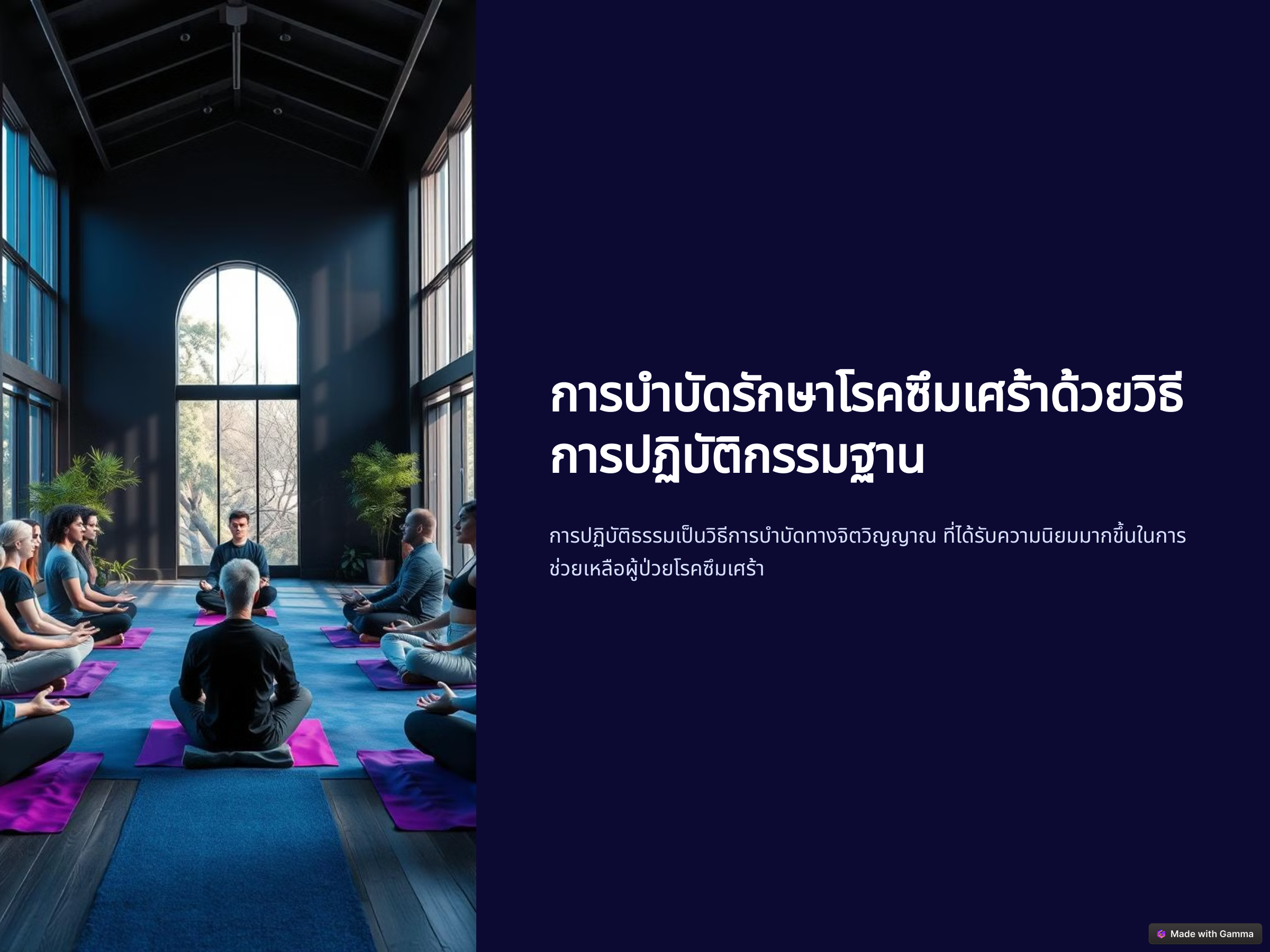
บทความวิชาการนี้มุ่งเน้นศึกษาการบำบัดรักษาโรคซึมเศร้าด้วยวิธีการปฏิบัติกรรมฐาน ซึ่งการปฏิบัติกรรมฐานเป็นวิธีการอบรมจิตให้สงบและมีความสว่างปัญญาจากความทุกข์ที่เกิดขึ้น จากการศึกษาพบว่าการเจริญกรรมฐานอย่างสม่ำเสมอจะช่วยให้ร่างกายและจิตของผู้ปฏิบัติมีสุขภาวะที่ดี สำหรับโรคซึมเศร้าเกิดจากสาเหตุหลายอย่าง เมื่อเกิดขึ้นแล้วมีผลกระทบด้านร่างกายและจิตใจ ควรรีบหาวิธีบำบัดรักษา เพื่อไม่ให้เกิดความร้ายแรงต่อร่างกายและจิตใจ การปฏิบัติกรรมฐานเป็นวิธีการปฏิบัติธรรมประเภทหนึ่งในพระพุทธศาสนา หรือกระบวนการฝึกอบรมจิต พัฒนาจิตให้แน่วแน่อยู่กับอารมณ์ใดอารมณ์หนึ่ง จนเกิดเป็นสมาธิ ความสงบนิ่ง จิตใจไม่ฟุ้งซ่าน กระวนกระวาย การฝึกอบรมจิตให้เกิดความรู้แจ้งเห็นจริงตามความเป็นจริง ให้รู้เท่าทันความจริงในปัจจุบันของสิ่งทั้งหลาย เพื่อพัฒนาจิตให้สูงขึ้น ยอมรับความเป็นจริงของชีวิต และสามารถดำเนินชีวิตได้อย่างมีความสุข ผู้ที่มีสุขภาพจิตที่ดี กำลังจิตที่เข้มแข็ง การปฏิบัติกรรมฐานสามารถนำมาระงับทุกขเวทนา บรรเทาหรือผ่อนเบาโรคทางกายได้ และยังส่งผลทำให้ระบบอวัยวะต่างๆ ภายในร่างกายค่อยๆ ปรับสภาพสมดุล ผลิตฮอร์โมนในการซ่อมแซมส่วนที่สึกหรอ รวมทั้งการทำงานของระบบประสาทและระบบการไหลเวียนโลหิตดีขึ้น ทำให้สภาพต่างๆ ภายในร่างกายสามารถเข้าสู่ภาวะปกติ โรคภัยต่างๆ บรรเทาลงและหายไปในที่สุด ฉะนั้น การบำบัดรักษาโรคซึมเศร้าด้วยการปฏิบัติกรรมฐาน จึงเป็นอีกหนึ่งวิธีที่จะสามารถช่วยให้สุขภาวะจิตเป็นปกติ โดยใช้ความเพียรพยายาม ความอดทน นำไปสู่ภาวะการปล่อยวางหรือความไม่ยึดมั่นถือมั่นในสิ่งที่เกิดขึ้น และการฝึกฝนเรียนรู้อยู่กับความเป็นจริงในปัจจุบัน
เอกสารอ้างอิง
กรมการแพทย์ กระทรวงสาธารณสุข. (2566). การบำบัดรักษาเป็น 4 ขั้นตอน. [ออนไลน์], แหล่งที่มา : https://tyrkk.go.th/new. {2 กันยายน 2567}.
ธนิต อยู่โพธิ์. (2562). วิปัสสนาภาวนา. (พิมพ์ครั้งที่ 8). กรุงเทพฯ: โรงพิมพ์มหาจุฬาลงกรณราชวิทยาลัย.
ผุสดี โตสวัสดิ. (2562). การบำบัดรักษาโรคด้วยวิธีการปฏิบัติกรรมฐาน. วารสารปรัชญาปริทรรศน์, 24(2), (กรกฎาคม - ธันวาคม พ.ศ.2562).
พระธรรมธีรราชมหามุนี (โชดก ญาณสิทธิ), (2542). วิปัสสนากรรมฐาน. กรุงเทพฯ : โรงพิมพ์มหาจุฬาลงกรณราชวิทยาลัย, 2.
พระภาวนาพิศาลเมธี วิ. (2555). เอกสารประกอบการสอนรายวิชาสติปัฏฐานภาวนา. บัณฑิตวิทยาลัย, มหาวิทยาลัยมหาจุฬาลงกรณราชวิทยาลัย.
พระวีรพงศ์ กลฺยาโณ, พระครูโกศลอรรถกิจ, พระครูโฆสิตวัฒนานุกูล. (2562). แนวทางการนำหลักสติปัฏฐาน 4 มาเยียวยาผู้ป่วยโรคซึมเศร้า. วารสารมหาจุฬานาครทรรศน์, 6(6), 3057-3073.
มหาจุฬาลงกรณราชวิทยาลัย. (2539). พระไตรปิฎกภาษาไทย ฉบับมหาจุฬาลงกรณราชวิทยาลัย. กรุงเทพฯ: โรงพิมพ์มหาจุฬาลงกรณราชวิทยาลัย.
โรงพยาบาลพญาไท. (2566). โรคซึมเศร้าที่ควรรู้. [ออนไลน์], แหล่งที่มา : https://www.phyathai.com/article_detail/2876/th. {24 กันยายน 2567}.
ศูนย์สุขภาพจิต. (2566). โรคซึมเศร้ารักษาได้. [ออนไลน์], แหล่งที่มา : https://www.bumrungrad.com/ th/health-blog/may-2018/causes-of-depression. {24 กันยายน 2567}.
สมเด็จพระพุทธโฆษาจารย์ (ป.อ.ปยุตฺโต). (2561). พจนานุกรมพุทธศาสตร์ ฉบับประมวลธรรม. (พิมพ์ครั้งที่ 41). กรุงเทพฯ : สำนักพิมพ์ผลิธัมม์.
สุจิตรา อ่อนค้อม. (2565). การฝึกสมาธิ. (พิมพ์ครั้งที่ 20), กรุงเทพฯ: ดับเบิ้ลนายน์.
สุภาพันธ์ กลิ่นนาค. (2561). การสร้างสุขภาวะของชีวิตตามแนวโพชฌงค์ในพระพุทธศาสนา. 9(2). 99-110, (พฤษภาคม - สิงหาคม 2561).
หทัยรักษ์ สุโพธิ์ทอง. (2566). การฝึกสมาธิเพื่อการบำบัดโรคซึมเศร้า. วารสารสหวิทยาการนวัตกรรมปริทรรศน์. 6(5), 172-186.
อภันตรี สาขากร. (2566). จิตบำบัดรักษาโรคซึมเศร้าได้อย่างไร. [ออนไลน์], แหล่งที่มา : www.manarom.com/Psychotherapy. {24 กันยายน 2567}.
อุมาพร ตรังคสมบัติ. (2563). สร้างสมาธิให้ลูกคุณ. กรุงเทพฯ : ซันต้าการพิมพ์.
Meffert, S. M., Neylan, T. C., McCulloch, C. E., Blum, K., Cohen, C. R., Bukusi, E. A., & Ongeri, L. (2021). Interpersonal psychotherapy delivered by nonspecialists for depression and posttraumatic stress disorder among Kenyan HIV–positive women affected by genderbased violence: Randomized controlled trial. PLoS medicine, 18(1), e1003468.
ดาวน์โหลด
เผยแพร่แล้ว
รูปแบบการอ้างอิง
ฉบับ
ประเภทบทความ
สัญญาอนุญาต
ลิขสิทธิ์ (c) 2024 มจร สุรนารีสาร

อนุญาตภายใต้เงื่อนไข Creative Commons Attribution-NonCommercial-NoDerivatives 4.0 International License.