
SOCIAL CLASS ACCORDING TO BUDDHIST PSYCHOLOGY
Keywords:
Social class, Buddhist psychologyAbstract
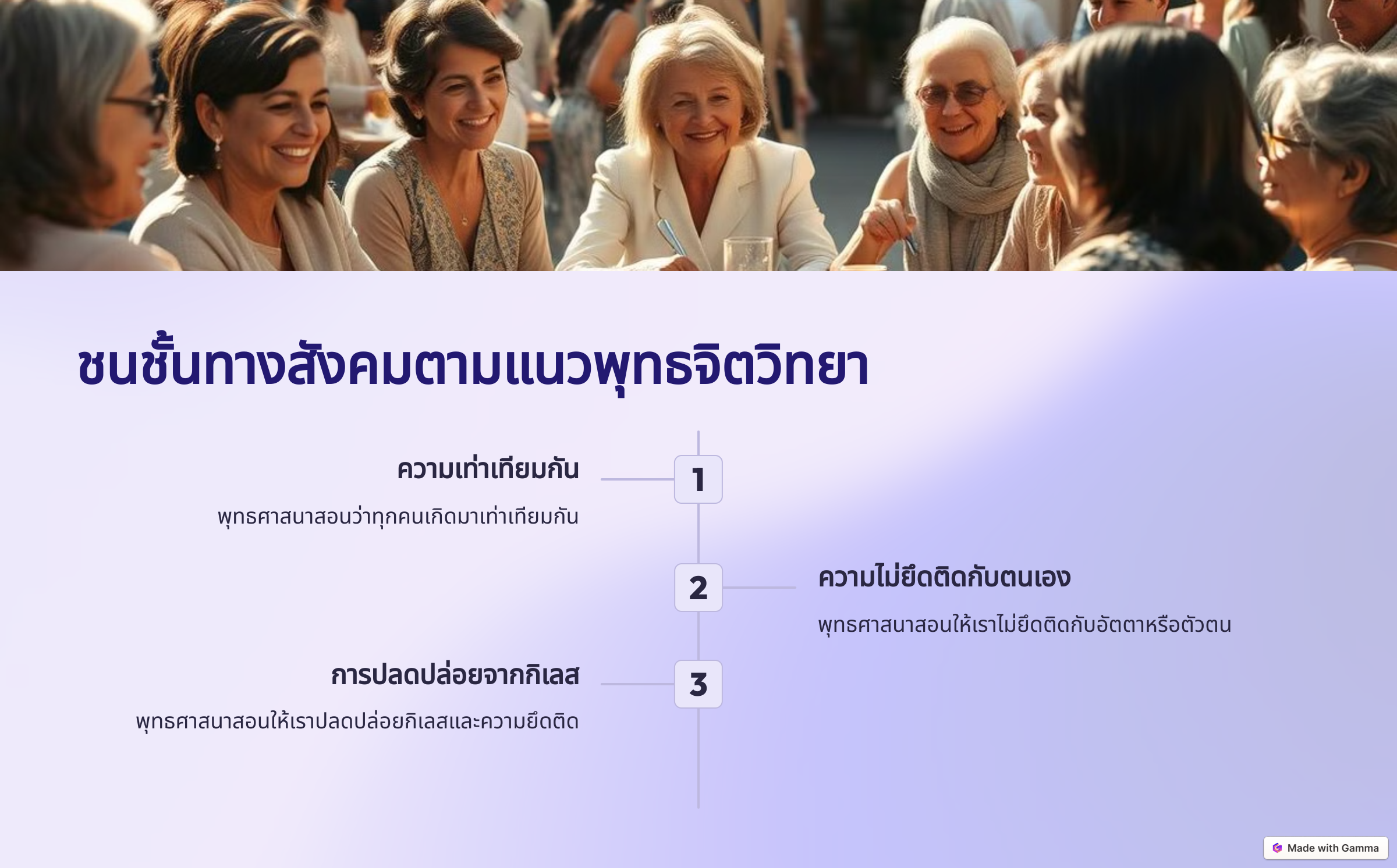
This academic article explores social class from the perspective of Buddhist psychology by incorporating the Buddha's teachings, which classify sentient beings into four categories. These categories can be compared to the four types of lotus flowers, representing the wisdom, fortune, merit, and temperament accumulated from past lives. These four types of lotuses are: 1: The lotus that has risen above the water and is awaiting sunlight to bloom today. 2: The lotus that is almost above the water and will bloom tomorrow. 3: The lotus that is still underwater and will bloom in three days. 4: The lotus that has just sprouted from the root underwater and is not yet free from threats posed by turtles and fish.
The article further applies the Buddha's teaching on the six directions, which define the roles and responsibilities of individuals in life. These directions are: Front: Parents / Right: Teachers / Back: Children and spouses / Left: Friends / Bottom: Subordinates / Top: Monks
These six directions represent different relationships in life, and individuals must understand their duties in each of these relationships. Each person's role is central to their interactions with the other groups in these six directions, which differ based on their social status and responsibilities.
The study found that social class according to Buddhist psychology helps individuals adapt to changing circumstances and society. It encourages them to face challenges, understand the problems in their lives, and develop emotional stability. This enables individuals to control themselves, recognize problems, analyze their true causes, and make decisions to solve their own issues. This process leads to a sense of self-affirmation, increased self-confidence, and appropriate self-expression.
References
พระเทพวิสุทธิกวี (พิจิตร ฐิตวณฺโณ). (2518). การพัฒนาจิต. นครปฐม: โรงพิมพ์ มหามกุฎราชวิทยาลัย. 1.
สิริวัฒน์ ศรีเครือดง. (2518). พุทธจิตวิทยาเพื่อพัฒนาศักยภาพของมนุษย์. กรุงเทพมหานคร: โรงพิมพ์ มหาวิทยาลัยมหาจุฬาลงกรณราชวิทยาลัย, 299.
อานนท์ อาภาภิรมย์. (2518). สังคมวิทยา. กรุงเทพมหานคร: โรงพิมพ์แพร่วิทยา. [ออนไลน์]. แหล่งที่มา: http://www.baanjomyut.com/library/social_sciences/26.html {15 ตุลาคม 2566}
Grant, J. Andrew. (2001). "คลาส คำจำกัดความของ" อ้างใน Jones, RJ Barry (ed.). Routledge
Encyclopedia of International Political Economy: Entries A–F . Taylor & Francis. p. 161.
Marbella International University Centre. (2023). Why we love social psychology. [ออนไลน์], แหล่งที่มา: https://miuc.org/why-we-love-social-psychology/amp/ {15 ตุลาคม 2566}
SimplyPsychology. (2023). Sociology. [ออนไลน์], แหล่งที่มา: https://www.simplypsychology.org/theories/sociology {15 ตุลาคม 2566}
Downloads
Published
How to Cite
Issue
Section
License
Copyright (c) 2024 MCU Suranaree Journal

This work is licensed under a Creative Commons Attribution-NonCommercial-NoDerivatives 4.0 International License.